What I Learned at The Things Conference 2026: Your Physical AI Is Only as Smart as Your Network

What is physical AI, and why does it change connectivity?
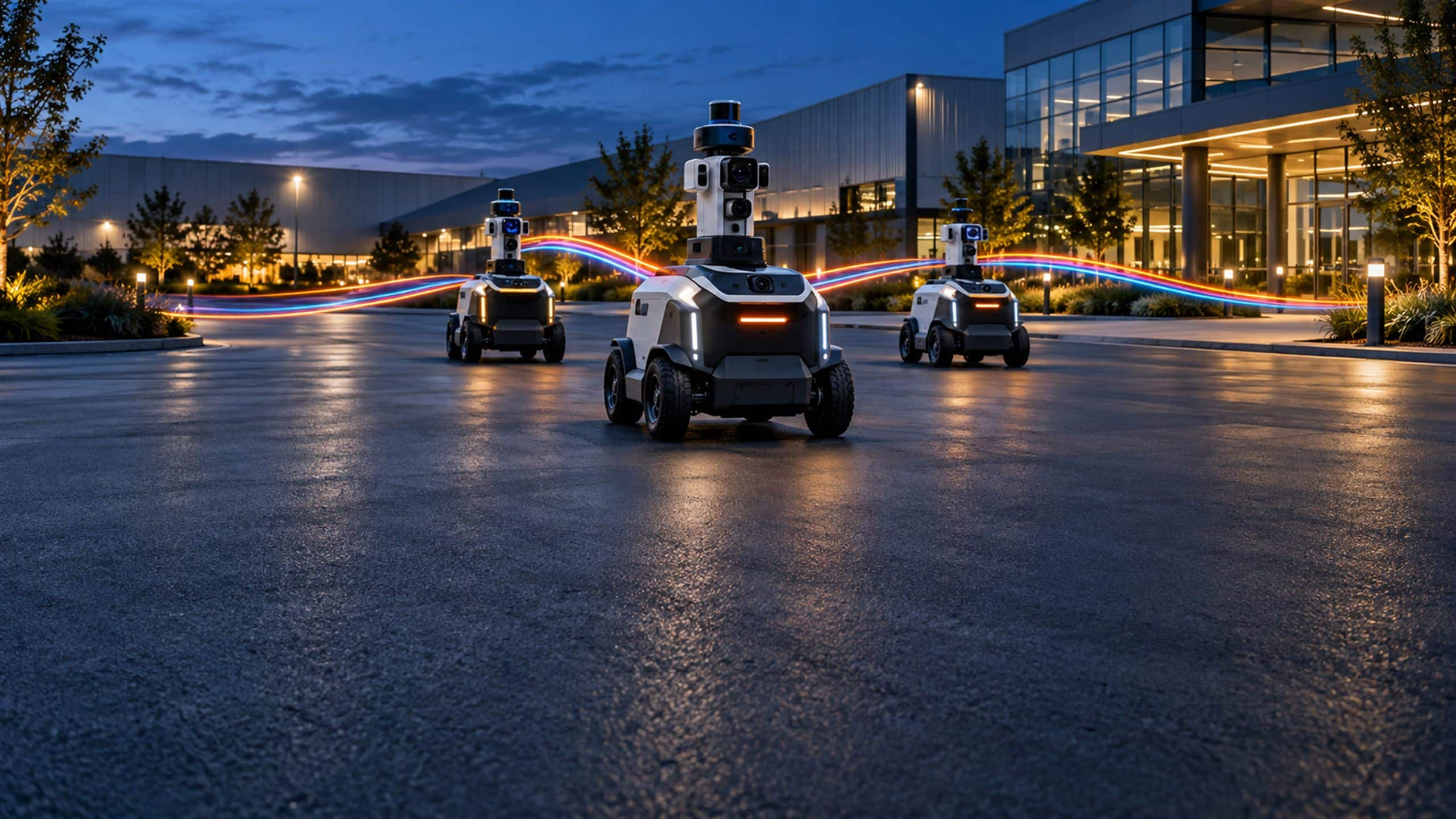
Physical AI is AI running inside a physical machine, from a simple device up to a car or a humanoid robot, with an onboard AI chipset. Once the chipset is in, the device depends on its connection to feed and update the models it runs, so the connection becomes part of the product. The question is no longer where a network has coverage, but what it can do.
What are the two conversations every AI device has?
Device management is the familiar conversation: configuration, firmware, monitoring. Model inference is new. The device sends updates to its model and receives updates back, and by law that exchange has to stay in the device’s jurisdiction. If the car crosses a border, it has to talk to an inference point on the other side of it. One automotive customer, for example, is integrating 22 regional neo clouds for a single vehicle programme, because where a car talks to its model, and when it updates that model, has become that complicated. (See also IoT vs AIoT: 6 key differences.)
Why is data sovereignty a network routing problem?
Data residency is where data is stored. Data sovereignty is which country’s laws govern it, which in practice means controlling where it is processed and which route it travels. That second part is the network’s job.
If you have IoT devices deployed today, you probably know where your packets start and have no idea of the route they take. Take an AI camera on a bus in Europe. It reads the road, spots vehicles in the wrong place, and may run facial recognition. Send that stream to another country out of the EU and you have broken GDPR and a long list of other rules.
This is why the Flolive network runs more than 70 points of presence worldwide rather than a patchwork of roaming deals. It lets us promise three things at once: every network in every country, so the device always has somewhere to connect; every device reaching its own inference point in its own jurisdiction at low latency; and one control plane, so you route data to the place you choose by the route you choose. Coverage in 190 countries is something every provider claims. What matters now is control over where your data goes.
Why does the network have to be intelligent?
What that means in practice:
Latency that matches the device. A smart meter can wait. A car, a robot or a camera making decisions in real time cannot, and for those devices anything over 100 milliseconds simply does not work. The network has to know the difference and route each device to the right inference point, in the right country, at the latency that device actually needs.
Security with no human in the loop. A device can dynamically request a VPN tunnel, for instance, asking for a connection lasting 15 to 30 seconds at a specific speed and bandwidth to transfer a model update. The network automatically authenticates the request, provisions the tunnel, and closes it once the transfer completes, without requiring any manual intervention or support tickets.
The network adapts to the device, not the other way round. That is the difference between AI-native connectivity and a legacy roaming product with an AI dashboard on top. More on the evaluation criteria in Is connectivity the missing layer in your AI strategy? and the Analysys Mason report on IoT connectivity for edge AI.
What does a network built for physical AI look like?
Odido shows what it takes. A few years ago its IoT customers were mostly smart meters. Mario’s team saw the traffic moving to high-value use cases and rebuilt for it: a dedicated IoT network on the Flolive platform, API first, multi-IMSI with remote IMSI swapping, hosted in the Netherlands because many customers need their data close to home. A foreign car driving around the Netherlands connects to Odido and still completes its firmware update.
The best illustration was outside the window. If you look at the canal, he told the room, you may see a self-sailing boat. It is not a demo; it belongs to a commercial Odido customer and runs on the Odido network.
The last mile got rebuilt too: radio, transport (1 gigabit out, 10 gigabit in) and a dedicated IoT core. The most interesting piece for me was the massive MIMO. Inside one Odido antenna are 192 antenna elements driven in phase, constantly calculating how to aim a beam at each device. A device that needs low latency or high bandwidth gets more elements focused on it, and the beam follows it as it moves. Mario’s phrase: the antenna follows you. Flolive is the network extension in that story, inside the Netherlands and into the other countries where Odido’s enterprise customers need to stay compliant.
Two numbers I did not expect
IoT traffic used to run 70 to 80 percent upstream. Physical AI is pushing it toward 50/50. Some connected cars in Flolive customer fleets now receive 500 GB to 1 TB of software updates a year, and that is growing as more AI chipsets go into each vehicle. That volume changes how updates are delivered. With a content delivery network you press the button and wait to see if it worked. You cannot do that with a 30 GB update to a car that might be switched off or out of coverage. The network needs to know whether the car is on, whether it has coverage, and whether its history says it will stay reachable for the next 10 to 15 minutes, and then choose that window.
What I took home
Three principles from the talk: global by design, sovereign by law, and the network adapts to your device rather than the reverse. If your roadmap has AI at the edge, that is the brief for your connectivity partner.
FAQ
What is physical AI?
AI running inside physical machines, from connected devices to cars and humanoid robots, using an onboard AI chipset. Because these machines depend on a live connection to their model, connectivity becomes part of the AI product.
What is a physical AI example?
A connected car that downloads model updates and must talk to a regional inference point; a humanoid robot; an AI camera on a bus; a self-sailing boat working commercially on an Amsterdam canal.
Why does data sovereignty matter for AI devices?
The device’s exchange with its inference point has to stay within its jurisdiction, so the network must route each device to a compliant inference point rather than wherever roaming
agreements take it.
What is the difference between data sovereignty and data residency?
Residency is where data is stored. Sovereignty is which laws govern it, which depends on where it is processed and the route it travels. For connected devices, that makes sovereignty a
routing decision.
What latency does physical AI need?
It depends on the device. A meter that reports once a day can tolerate delay. A device acting in real time, such as a vehicle or a robot, cannot, and for those the keynote’s threshold was under 100 milliseconds, which means the inference point has to be close and the route to it controlled.
What is the difference between traditional cellular connectivity and AI-native connectivity?
Traditional cellular IoT connectivity is a data pipe, usually through roaming agreements, with little control over routing. AI-native connectivity runs on owned infrastructure, routes each device to the right inference point in the right country, opens and closes secure tunnels on the device’s request, and adapts to what the device needs.
What is massive MIMO and why does it matter for IoT?
Many antenna elements (192 in the Odido units) driven in phase to steer a focused beam at each device, giving low-latency and high-bandwidth devices more capacity and following them as they move.
Watch the keynote: “Your Physical AI Applications Are Only As Smart As Your Network,” Rony Cohen (Flolive) with Mario de Lijster (Odido Netherlands), The Things Conference 2026.



Get the latest tips and insights in our monthly newsletter.