



TL;DR: Multi-network (multi-IMSI) SIMs let IoT devices switch carriers automatically for resilient coverage. Best for global reach with local compliance: FLOLIVE®; African fleets: CommsCloud; outage protection: Hologram; cloud-native control: Soracom.
What Are Multi-Network SIM Cards?
A multi-network SIM, also known as a multi-IMSI SIM, is a type of SIM card designed for IoT devices that can connect to multiple mobile networks, providing improved connectivity and resilience compared to traditional single-network SIMs. This allows IoT devices to automatically switch between networks based on signal strength, coverage, or cost efficiency, ensuring continuous connectivity when one network experiences an outage.
Multi-network SIMs are equipped with multiple IMSI (International Mobile Subscriber Identity) profiles, each representing a different mobile network. The SIM card intelligently selects the best network based on pre-defined rules or algorithms, ensuring reliable and efficient connectivity.
Key features and benefits of multi-network SIMs for IoT include:
- Improved connectivity: By supporting connections to multiple networks, multi-network SIMs reduce the risk of dropped connections and improve overall network availability for IoT devices.
- Automatic network switching: These SIMs can automatically switch to the best available network, optimizing for signal strength, coverage, or cost, without manual intervention.
- Increased resilience: In the event of a network outage or poor signal quality on one network, the SIM can seamlessly switch to another, ensuring uninterrupted operation for critical IoT applications.
- Simplified logistics: Multi-network SIMs can simplify logistics by eliminating the need to manage separate SIM cards for different networks and regions.
- Global coverage: Many multi-network SIMs offer global roaming capabilities, allowing devices to connect to networks in various countries, making them suitable for applications like global asset tracking.
- Real-time monitoring and control: Some providers offer connectivity control centers that provide real-time data management, analytics, and remote-control capabilities for connected devices.
- Cost efficiency: By allowing devices to choose the most cost-effective network, multi-network SIMs can help optimize data usage costs.
Multi-network SIMs are particularly useful for:
- Critical IoT applications: Healthcare devices, emergency response systems, and other applications requiring high availability and reliability.
- Logistics and transportation: Tracking assets across different regions and countries.
- Global asset tracking: Ensuring connectivity for devices that frequently move across borders.
- Industries with critical safety or business requirements: Where uninterrupted connectivity is essential.
Editor’s note: Updated the article to include recent market trends and updated information for IoT connectivity solutions to reflect features and capabilities in 2026.
Key Features and Benefits of Multi-Network SIMs for IoT
Improved Connectivity
Multi-network SIM cards significantly improve connectivity for IoT devices by allowing them to utilize any available mobile network rather than being tied to a single operator. This greatly reduces the risk of downtime due to issues like regional coverage gaps, temporary outages, or fluctuations in network quality.
For IoT devices deployed in remote or challenging locations—such as agricultural sensors, utility meters, or mobile health devices—continuous connectivity is essential for their intended operation. This connectivity ensures that IoT deployments can collect and transmit data consistently, increasing the reliability and value of distributed sensor networks, logistics solutions, and smart infrastructure.
Automatic Network Switching
When a device detects a loss in connectivity or weak signal from its current network, it dynamically switches to another available network in real time. This process is seamless, requiring no human action or device reboot, and helps to maintain uninterrupted service which is critical for applications like remote monitoring or connected vehicles.
Automatic network switching is beneficial in environments where network quality can be unpredictable or where devices may frequently move across regions operated by different carriers. For example, smart transport systems or delivery fleets crossing city, state, or national boundaries benefit from instant network transition.
Increased Resilience
Increased resilience is another critical advantage of multi-network SIM cards, especially relevant for IoT applications where system uptime is non-negotiable. Because these SIMs can connect to multiple networks, a failure or scheduled maintenance on one provider’s infrastructure does not disrupt the device’s communication capabilities.
This is a significant improvement over traditional SIMs, which become useless during an outage affecting their sole network. This resilience is particularly valuable for applications in security, emergency services, or industrial automation, where communication failure can result in significant losses or safety risks.
Simplified Logistics
Multi-network SIM cards simplify logistics for IoT solution providers and device manufacturers who operate across regions with different dominant network providers. Instead of sourcing and managing separate SIM cards for each carrier or region, a single stock-keeping unit (SKU) of multi-network SIMs can serve a global or national deployment, simplifying inventory and reducing complexity in supply chains.
This simplification extends to device installation and maintenance. Field technicians no longer need to determine which carrier covers a given area or carry multiple SIMs for multi-site deployments. With a multi-network SIM, the device will automatically connect to the optimal network available, decreasing deployment times and minimizing errors in the field.
Global Coverage
Multi-network SIMs can achieve global coverage without the logistics or complexity of negotiating with multiple local carriers. These SIMs are typically backed by global roaming agreements that give IoT devices access to hundreds of mobile networks in dozens of countries. For IoT use cases like international logistics tracking, maritime applications, or global supply chain monitoring, this is indispensable.
Global coverage is especially important for organizations that manage assets, sensors, or vehicles that travel internationally. With a single SIM card type, organizations can deploy solutions in multiple countries while ensuring uniform connectivity and easier fleet management, reducing the administrative overhead of handling country-specific SIM cards or contracts.
Real-Time Monitoring and Control
Multi-network SIM cards enable real-time monitoring and control by ensuring continuous connectivity, which is especially important for high-value or time-sensitive IoT operations. When paired with cloud-based management platforms, operators can receive status information and alerts as soon as issues arise.
Consistent real-time access to device data allows companies to run analytics, optimize processes, and react promptly to events such as machine breakdowns, route deviations, or inventory shortages. The assurance that devices remain online regardless of network disruptions underpins more intelligent, responsive IoT systems.
Cost Efficiency
Centralized SIM inventory management lowers procurement and operational costs by eliminating the need to maintain multiple SKUs or carrier contracts. Many providers of multi-network SIMs also offer flexible data plans, where usage can be pooled across devices and countries, optimizing expenses according to actual needs.
The reduction in downtime and maintenance interventions due to improved uptime directly translates into cost savings, particularly for organizations with vast IoT networks or mission-critical assets. Simplified logistics and simplified deployment processes also cut ongoing operational costs, adding another financial incentive for choosing multi-network SIMs in IoT deployments.
Multi Network IoT SIM Card Market Trends
According to recent market research, the global multi-network IoT SIM card market is valued at over USD 674 million, and is expected to grow to USD 1,239 million by 2031. This represents a compound annual growth rate (CAGR) of 9.2%.
Main drivers of market growth include:
- Rapid expansion of IoT deployments worldwide: IoT adoption keeps expanding, and connectivity requirements are getting stricter as deployments scale across more devices, regions, and use cases . Multi-network SIMs address this by switching automatically between available carriers.
- Global rollout of 5G networks: Telecom operators are investing heavily in 5G infrastructure, encouraging enterprises to upgrade IoT devices. Multi-network SIMs support 5G alongside 4G/LTE and NB-IoT, enabling smooth transitions between network generations.
- The shift from physical SIM cards to eSIM technology: Many enterprises prefer eSIM-enabled solutions because they allow remote provisioning and reduce logistical complexity. Device manufacturers increasingly integrate soldered eSIM modules into industrial equipment for durability and easier lifecycle management.
Technology and Product Trends
The market is seeing strong growth in eSIM adoption, especially in industrial IoT use cases. Embedded SIMs eliminate the need for physical replacement and support remote carrier provisioning, which is critical for large-scale or geographically distributed deployments.
There is also a trend toward vertical-specific connectivity solutions. Vendors are developing tailored SIM offerings for utilities, logistics, healthcare, and industrial automation. These solutions often include optimized network profiles, extended lifespans, and industry-specific service-level agreements.
Security and compliance features are becoming key differentiators. Enterprises increasingly prioritize encrypted provisioning, VPN integration, and regulatory-compliant data routing when selecting multi-network IoT SIM providers.
Security and Operational Challenges
Security concerns remain a significant barrier. IoT devices face a higher rate of cyberattacks than traditional endpoints, and multi-network capabilities introduce additional risks such as SIM-based attacks and unauthorized network access.
Authentication across multiple carriers is also more complex than in single-network environments. Enterprises must implement stronger encryption, private APNs, and advanced identity verification mechanisms. Many organizations cite security complexity as a primary concern when adopting multi-network IoT SIM solutions.
Emerging Opportunities
AI-driven network optimization is creating new value. Machine learning algorithms can evaluate latency, throughput, and cost in real time to select the most suitable carrier. Early implementations report significant improvements in connection reliability, especially for latency-sensitive applications.
Edge computing integration further enhances performance by reducing reliance on cloud connectivity. This is particularly relevant in sectors such as healthcare, where connected medical devices require high uptime and real-time data processing.
Key Use Cases of Multi-Network SIM Cards
Critical IoT Applications
Critical IoT applications such as security systems, emergency response sensors, or life-saving healthcare devices demand near-perfect uptime and connectivity. For these scenarios, any loss in network access can have serious repercussions, from business interruptions to risks to human safety. Multi-network SIM cards ensure these devices are not left offline if a single operator network fails, as they automatically connect to a backup network.
Logistics and Transportation
In logistics and transportation, vehicles and freight often move through diverse regions where network coverage varies drastically between providers. Fleet tracking systems, smart shipping containers, and connected vehicles depend on always-on connectivity for location updates, environmental monitoring, and security alerts.
Global Asset Tracking
Companies tracking high-value assets such as shipping containers, rental equipment, or critical infrastructure components require uninterrupted global coverage to monitor condition, status, and position in real time. Multi-network SIM cards provide the flexibility needed to keep these devices online as they cross borders between countries and between the cellular footprints of different carriers.
Industries with Critical Safety or Business Requirements
Sectors such as energy, utilities, manufacturing, and public safety operate in environments where communications and data flows must be maintained at all times. Outages or delayed data in these industries can mean production shutdowns, environmental hazards, regulatory fines, or compromised public safety. Multi-network SIM cards support redundancy strategies in these environments, enabling immediate failover from one network to another with minimal latency.
Notable Multi-Network SIM Solutions for IoT Connectivity
1. Flolive

FLOLIVE® is one of the more complete options in this category. Its Multi-IMSI SIM is built to switch between networks based on policy, coverage, and regional requirements, while keeping deployment simpler with one SIM SKU and one control layer.
Flolive also brings more than the SIM itself. The company pairs that connectivity layer with a cloud-based CMP, local breakout in 40+ locations, and current GSMA SGP.32 support for IoT eSIM operations. For OEMs, MVNOs, and enterprise IoT teams, that combination matters because uptime, routing control, and in-country compliance usually show up together, not one at a time.
Key features include:
- Global-local architecture: floLIVE operates a distributed network of local cores, enabling low-latency connections and compliance with data localization requirements in multiple regions.
- Multi-IMSI technology: Its proprietary SIM applet allows SIMs to switch dynamically between multiple IMSI profiles, maintaining optimal coverage and regulatory alignment.
- Private core deployments: Enterprises can deploy dedicated core instances, either on-premises or in the cloud, to meet specific performance, security, or compliance needs.
- Cloud-native flexibility: All core network functions are containerized and managed via Kubernetes, allowing rapid scaling, high availability, and seamless updates.
- End-to-end integration: The solution includes built-in remote SIM provisioning (RSP), a robust connectivity management platform (CMP), and comprehensive APIs for full visibility and automation.
floLIVE’s multi-network SIM is well suited for critical IoT use cases such as industrial automation, enterprise mobility, and security systems. It helps organizations minimize downtime, simplify global logistics, and ensure connectivity compliance across diverse markets.
2. Velocity IoT

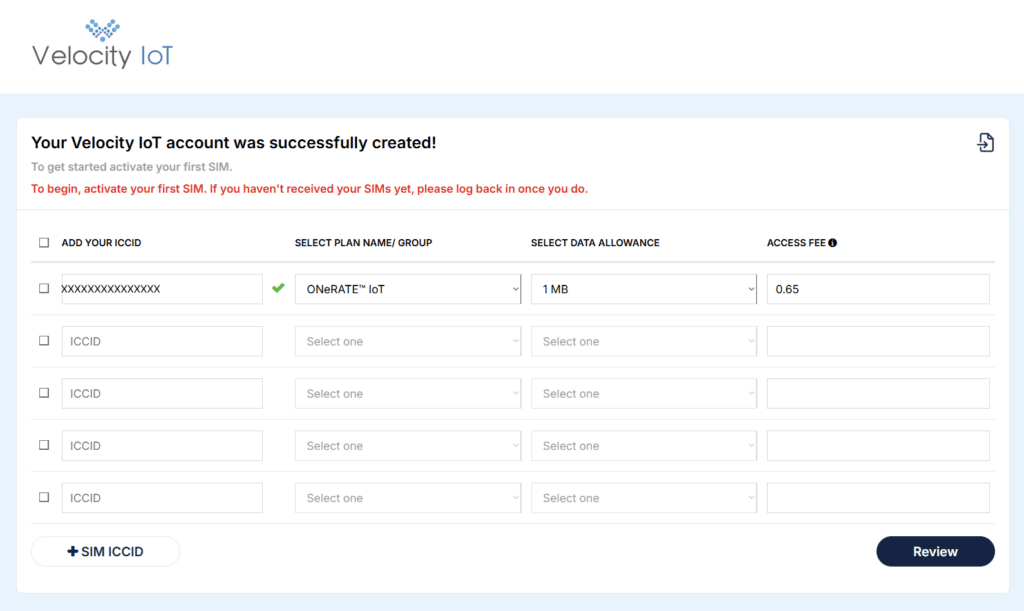
Velocity IoT provides multi-network IoT connectivity built around multi-IMSI and eUICC technologies, allowing devices to access multiple carrier networks through a single SIM. Its platform combines global coverage with locally distributed network infrastructure to support reliable connectivity, lower latency, and compliance with regional requirements. The service also includes centralized SIM management, enabling organizations to monitor deployments and manage connectivity across large device fleets from a single interface.
Key features include:
- Multi-network connectivity: Supports automatic switching between available carrier networks to maintain connectivity when network conditions change or outages occur.
- Multi-IMSI and eUICC support: Combines multiple IMSI profiles with remote SIM management capabilities to simplify connectivity across regions.
- Local breakout architecture: Uses local packet gateways and distributed core infrastructure to reduce latency and improve network performance.
- Remote SIM management: Supports over-the-air updates and remote administration of SIM profiles and connectivity settings.
- Centralized management platform: Provides visibility into SIM status, data consumption, device location, and network performance across carriers.
- API integration: Offers APIs that allow organizations to integrate connectivity management into existing operational systems and workflows.
- Global coverage: Supports connectivity across more than 750 mobile networks in over 190 countries through a single SIM solution.
3. CommsCloud

CommsCloud focuses on IoT connectivity with an emphasis on African deployments while also supporting international connectivity requirements. Its offering is based on multi-IMSI technology, enabling devices to connect across multiple mobile networks and maintain connectivity when operating across borders. This approach is designed for organizations that require regional flexibility without managing separate connectivity arrangements in each market.
Key features include:
- Multi-IMSI connectivity: Uses multiple IMSI profiles to provide access to different carrier networks through a single SIM.
- Cross-border operation: Supports IoT deployments that move between countries and network operators without requiring SIM replacement.
- Africa-focused coverage: Designed to support connectivity requirements across African markets while extending coverage globally.
- Multi-network access: Enables devices to connect to available networks based on coverage availability and operational requirements.
- IoT-specific connectivity services: Provides connectivity solutions intended for machine-to-machine and IoT deployments.
4. ThingsData

Thing Data provides global IoT connectivity services through multi-network SIM solutions that support a wide range of network technologies and deployment models. Its connectivity portfolio includes traditional M2M connectivity, LTE-M, NB-IoT, and non-terrestrial network options. The company also offers a unified management environment that allows organizations to oversee SIMs from different operators through a single platform, helping simplify large-scale IoT deployments.
Key features include:
- Multi-network connectivity: Provides access to more than 650 mobile networks through IoT-focused SIM solutions.
- Global coverage: Supports connected devices in more than 100 countries for international IoT deployments.
- Multiple connectivity technologies: Supports M2M, LTE-M, NB-IoT, and satellite-based NTN connectivity options.
- eSIM support: Enables remote profile deployment and activation for flexible device provisioning.
- Unified SIM management: Allows SIMs from multiple operators to be managed through a single management platform.
- Flexible SIM formats: Offers physical SIMs, embedded MFF2 SIMs, QR-based eSIM activation, and activation-code-based options.
- Cost control options: Provides prepaid and subscription-based connectivity models to support different deployment requirements.
5. Helix

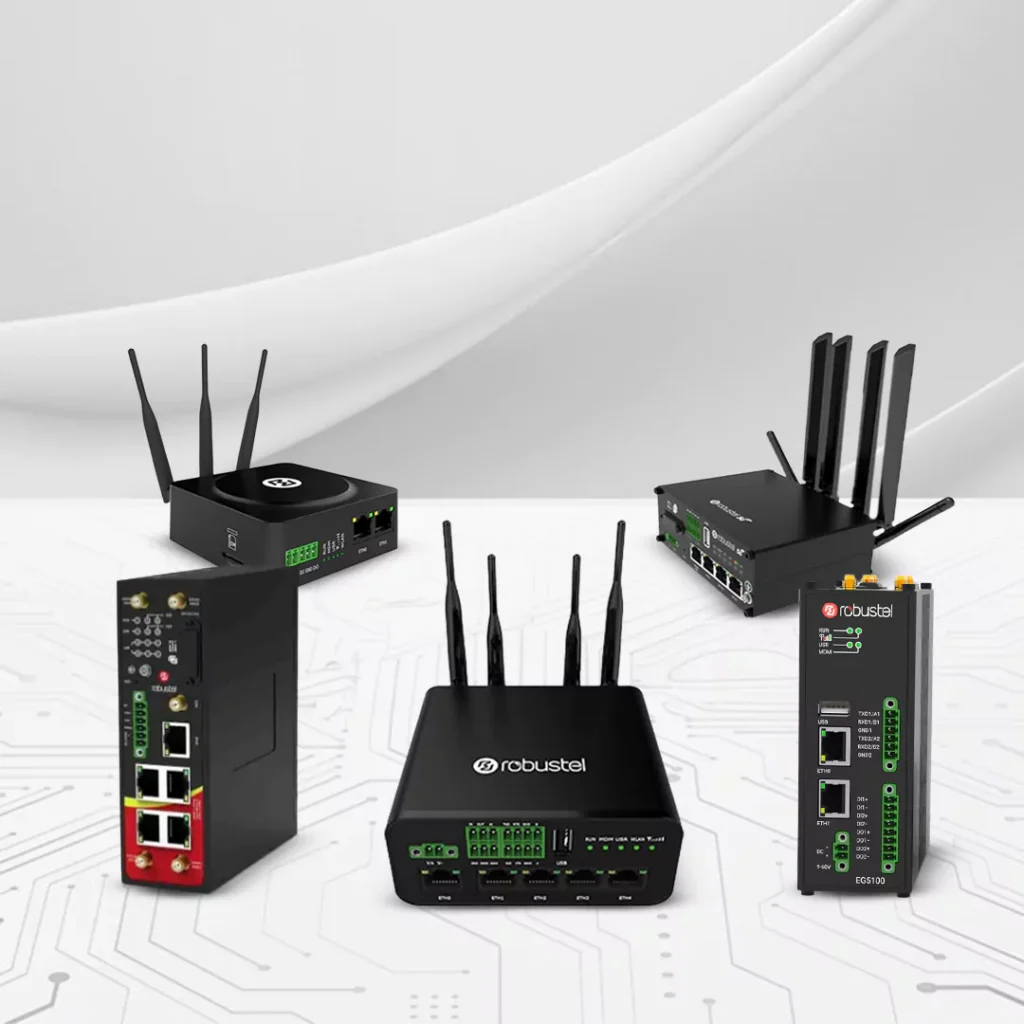
Helix Wireless offers global IoT connectivity through its SmartSIM platform, which is designed to provide access to multiple cellular networks using a single SIM and management environment. The company combines connectivity services, device management capabilities, and security controls to support organizations deploying IoT solutions across multiple regions. Its approach is intended to reduce the complexity of managing carrier relationships while maintaining visibility and control over connected devices.
Key features include:
- Global SmartSIM connectivity: Provides access to more than 700 cellular networks across over 190 countries through a single SIM.
- Unified management platform: Enables organizations to manage IoT connectivity and SIM deployments from one centralized platform.
- Single connectivity partner model: Reduces the need to manage multiple carrier agreements for international deployments.
- Connectivity scalability: Supports deployments ranging from startups to large enterprise IoT fleets.
- Multi-layer security approach: Incorporates multiple security controls to help protect IoT deployments from network and device threats.
- Encryption and authentication: Supports robust encryption methods and mutual authentication mechanisms for secure communications.
- IoT-focused service portfolio: Combines connectivity services, SIM management, monitoring tools, and IoT support capabilities within a single ecosystem.
Conclusion
Multi-network SIM cards have become a critical enabler for reliable, scalable, and cost-effective IoT deployments across industries. By offering seamless connectivity across multiple networks and regions, they address the challenges of maintaining uptime, managing global device fleets, and optimizing operational costs. Their ability to provide automatic failover, global reach, and centralized management helps organizations build resilient and intelligent IoT systems.